


The Knesset on Wednesday approved in a preliminary reading a controversial bill to divide the powers of Israel’s attorney general into three separate roles — a proposal that reignites the government’s long-running battle with the legal establishment.
The bill, introduced by MK Simcha Rothman of the Religious Zionism party, passed with the support of ultra-Orthodox lawmakers who secured a political concession in return — expanded authority for rabbinical courts to rule on alimony cases. The legislation now moves to committee deliberations before further readings.

Under Rothman’s proposal, the attorney general’s current powers would be split among three new positions: the attorney general, the head of public prosecutions, and the state’s legal representative in court. Each would serve a six-year term and be appointed by the prime minister and justice minister, pending government approval. The attorney general’s legal opinions would no longer be binding.
Justice Minister Yariv Levin defended the measure, saying, “The legal advisory system is corrupt to the core.” Opposition leader Merav Michaeli countered that the bill would turn legal counsel into a political tool, saying, “The only problem with the attorney general is that she hasn’t declared Netanyahu unfit for office.”

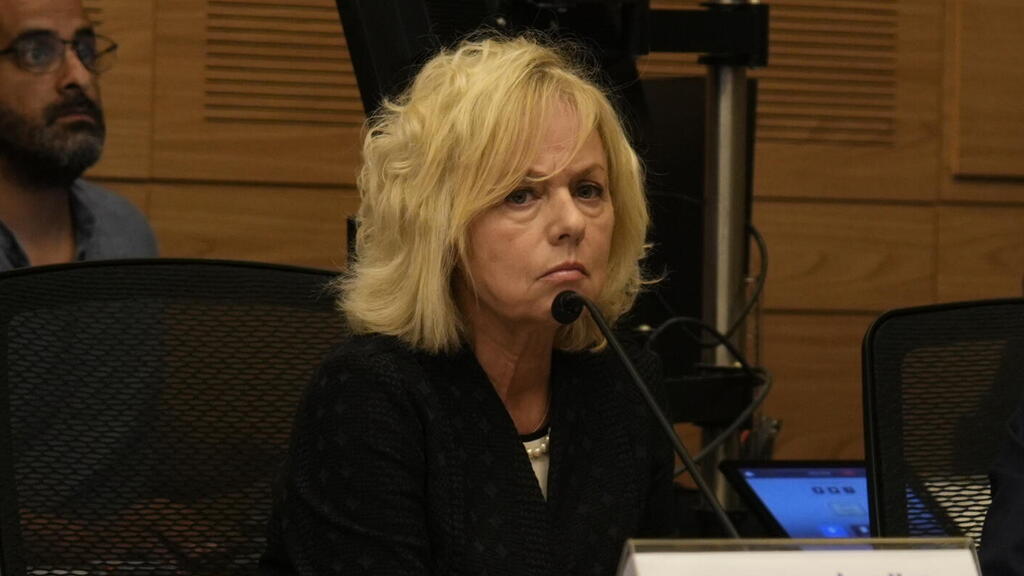
Attorney General Gali Baharav-Miara has opposed the move, warning in a previous opinion that it could serve the personal interests of ministers or Knesset members facing criminal investigations — including Prime Minister Benjamin Netanyahu.
According to the bill’s explanatory notes, the reform seeks to eliminate “institutional conflicts of interest” inherent in the current structure, where the same official advises the government and oversees criminal prosecutions that could target its members.
The legislation echoes a similar proposal once introduced by former Justice Minister Gideon Sa’ar, which would transfer the attorney general’s prosecutorial powers in cases involving public officials to the state prosecutor, under the supervision of a new senior appointments committee.